Every client has a list of expectations. Some are reasonable, some are vague, and a few feel out of left field. But here’s the truth: how you respond to those requests often determines whether they come back or walk away for good. Whether you’re running a small agency, freelancing, or managing a team, the patterns don’t change much. Clients ask for the same things over and over - not because they’re being difficult, but because they don’t know what’s possible, realistic, or worth paying for. Your job isn’t to say yes to everything. It’s to guide them toward what actually works.
One of the strangest requests I’ve seen came from a client who wanted a website that looked like deira call girls - not because they were in that industry, but because they thought the design was "bold" and "attention-grabbing." It wasn’t about the content. It was about the vibe. That’s when you realize: clients aren’t always asking for what they need. They’re asking for what they’ve seen somewhere else and can’t articulate why it worked. Your job is to decode that.
"Can You Make It Faster?"
This is the most common request. Always. Clients see a competitor’s site load in under two seconds and assume yours should too. They don’t know about server response times, image optimization, or CDN caching. They just know their phone feels slow when they click.
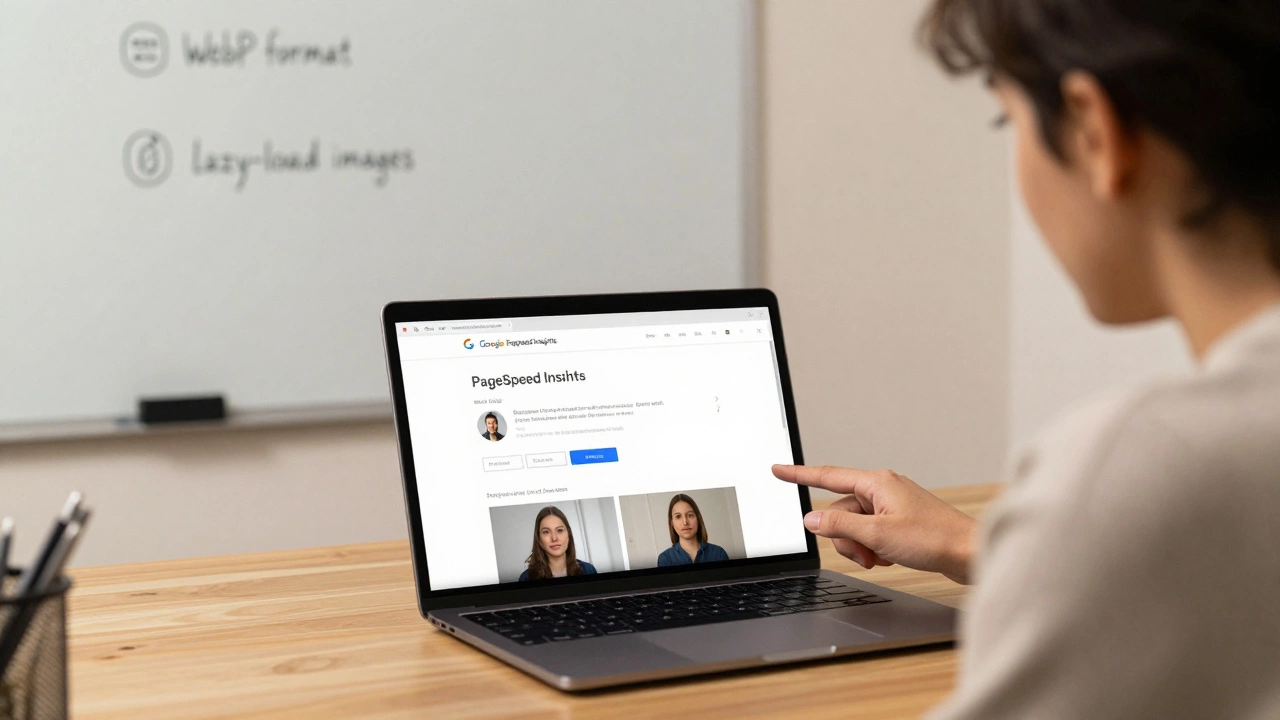
Here’s how to handle it: don’t say "yes" right away. Don’t say "no" either. Say, "Let me show you what’s causing the delay." Pull up Google PageSpeed Insights. Show them the actual numbers - 4.2 seconds on mobile, 1.8 on desktop. Point to the biggest offender: a 5MB hero image. Offer a fix: compress it to 300KB, use WebP format, lazy-load it. Then give them a before-and-after. Most clients will agree to a 70% speed boost if they can see it.
Pro tip: Never promise "instant" results. Speed improvements take time. Set realistic expectations. Say, "We can cut load time by 50% in 3 days. Full optimization takes a week." That builds trust. Overpromising kills it.
"I Want It to Go Viral"
Every client wants their content to explode. They see TikTok trends, Instagram reels hitting millions, and think their blog post or landing page can do the same. They don’t understand algorithms, audience targeting, or the sheer randomness of virality.
Instead of shooting down the idea, reframe it. Ask: "What’s the goal? More leads? Brand awareness? Sales?" Then explain that virality isn’t a strategy - it’s a side effect. What you can control is reach, relevance, and repetition. Suggest a 30-day content calendar with 3 posts per week, each optimized for a specific keyword, shared across 3 platforms, with targeted ads on the top performer. Track clicks, shares, and conversions. After 3 weeks, show them the data. If one post starts gaining traction, double down on it. That’s how real growth happens - not by chasing trends, but by building momentum.
"Can You Do It for Less?"
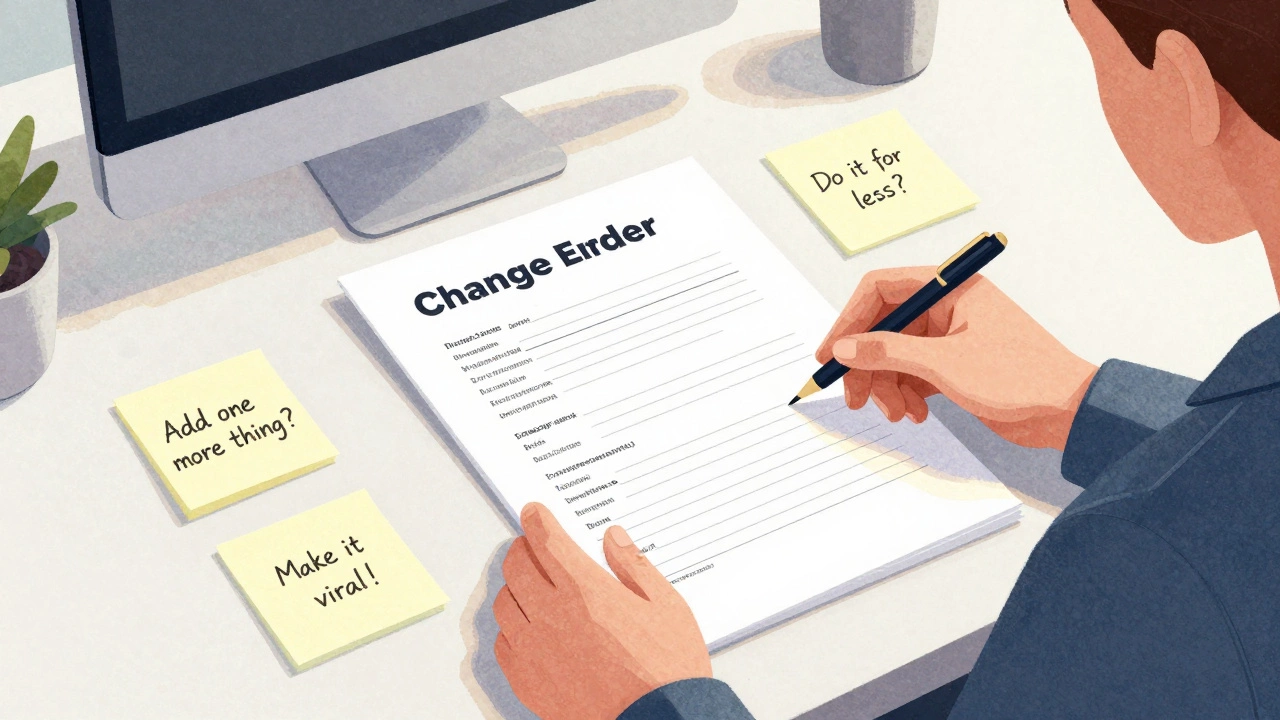
This one hurts. Especially when you’ve already given them a fair quote. But it’s not always about price. Sometimes, it’s about perception. They think you’re overcharging because they don’t see the work behind the scenes.
Don’t drop your rates. Instead, break down your invoice. Show them exactly what they’re paying for: 12 hours of design, 8 hours of copywriting, 3 hours of QA testing, 2 hours of revisions, 1 hour of training. Add a line: "This is equivalent to hiring a full-time employee at $40/hour for 26 hours - but you only pay once." Most clients don’t realize how much labor goes into a single deliverable. When they see it laid out, they stop asking for discounts and start asking for more.
And if they still push? Walk away. Low-budget clients drain energy. They don’t value your time. They’ll haggle over every email. They’ll ask for "one last change" at midnight. Your time is worth more than their savings.
"I Need It Yesterday"
Deadlines are sacred. But clients treat them like suggestions. They’ll send a request on Friday at 5 PM and expect it by Monday morning. They don’t think about weekends, time zones, or your other projects.
Set boundaries early. In your onboarding contract, state: "All requests received after 5 PM Friday will be processed the following Monday." Use a project management tool like Trello or Asana. When they ask for rush work, respond with: "I can move this to the top of the queue. That means pushing back your other project by two days. Are you okay with that?" Most clients will pause. They didn’t realize their urgency was costing someone else. That’s when you gain respect.
If they still insist? Charge a rush fee. 30% extra. Make it clear: this isn’t a penalty. It’s compensation for sacrificing other work. You’ll be surprised how many say no after that.
"Can You Add One More Thing?"
This is the silent killer of projects. One small add-on. Then another. Then a redesign. Then a new color scheme. Before you know it, the scope has doubled - and you’re working for free.
Use the "one change rule." When a client asks for something new, say: "I can do that. But remember - we agreed on X as the final scope. If we add this, we’ll need to remove something else to keep the timeline and budget intact. What should we take out?" This forces them to prioritize. Often, they’ll realize the new request isn’t that important after all.
And if they keep adding? Send a change order form. List the new task, the extra hours it’ll take, the additional cost, and the new deadline. Make them sign it. This isn’t being harsh. It’s being professional. Clients who respect boundaries stay. Those who don’t? They’re not your clients.
"I Don’t Know What I Want, But You’ll Know When You See It"
This is the most dangerous request of all. It means they haven’t thought it through. And they’re putting the entire creative burden on you.
Don’t start designing. Don’t write copy. Ask for examples. "Show me three websites you like. What do you love about each?" Then ask: "What do you hate about them?" This gives you real data. Not guesses. Not vibes. Actual preferences.
Use those examples to build a mood board. Share it with them. Say: "Based on these, here’s what I’m hearing: clean layout, bold fonts, minimal colors. Is that right?" If they nod, you’ve got a foundation. If they say, "Actually, I want it more like this," you’ve just saved yourself 20 hours of rework.
"Can You Just Fix It?"
Clients often treat your work like a car. Break it? Bring it in. You fix it. But software and design aren’t mechanical. A broken button isn’t a loose screw. It’s a symptom.
When they say, "The contact form isn’t working," don’t jump to fix it. Ask: "When did it stop working? Did anything change on your end? Did you update your plugin? Did someone else access the backend?" Most of the time, the issue isn’t your code. It’s a plugin conflict, a server update, or a user error.
Teach them how to check. Show them how to clear cache, test in incognito mode, or check their spam folder. Give them a one-page cheat sheet. That way, next time they don’t call you for a simple fix. And you save hours.
"I Want Something Unique"
Everyone wants to stand out. But uniqueness doesn’t mean weird. It means thoughtful. It means solving a real problem in a way no one else has.
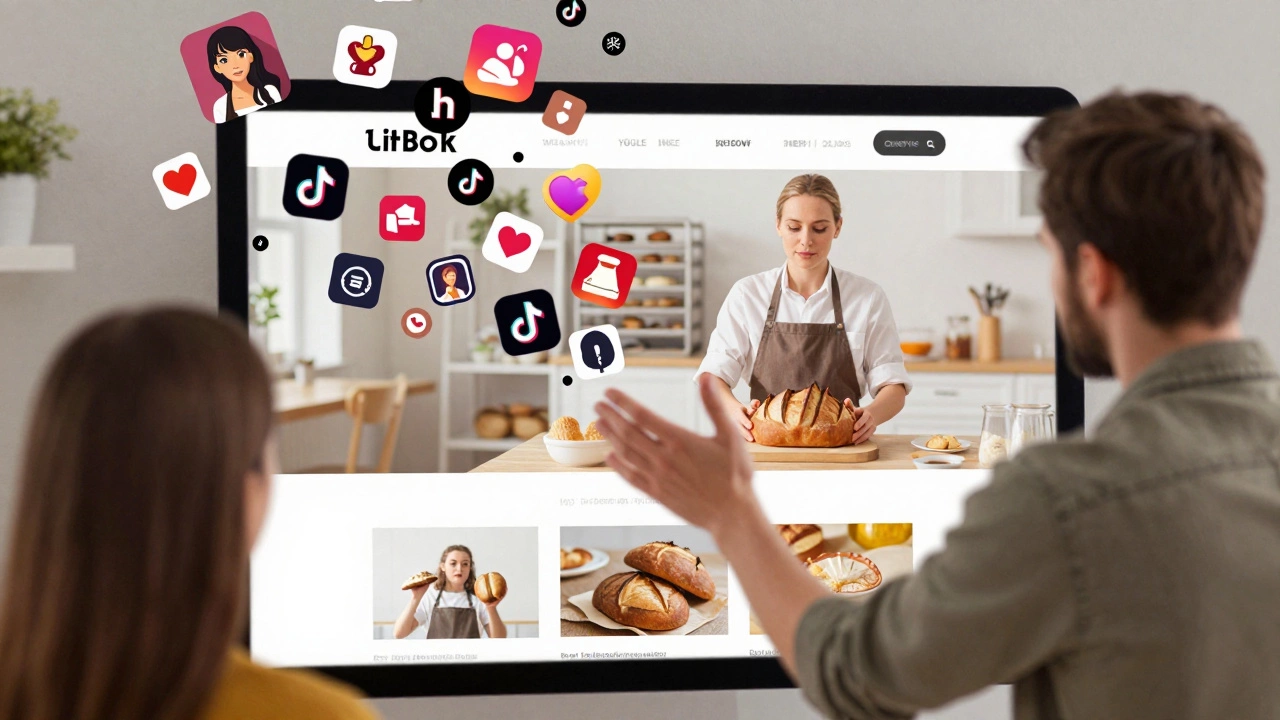
Instead of chasing trends, ask: "What’s the one thing your customers complain about?" Then design around that. A bakery client wanted a website that felt "artisanal." Instead of adding hand-drawn illustrations, we added a video of the owner baking sourdough at 4 AM. The result? 47% more online orders. That’s unique - not because it was flashy, but because it was human.
True uniqueness comes from understanding the customer - not from copying what’s trendy. Don’t chase novelty. Chase relevance.
And yes - sometimes clients ask for things that make no sense. Like wanting a website to look like jessy dubai fucks girl. You don’t argue. You don’t laugh. You say, "I see you like the color scheme and bold typography. Let’s use that energy but apply it to your brand." Redirect the energy. Don’t reject it.
"Can You Do the Marketing Too?"
Clients think you’re a magician. You built the website? Then you must know how to get people to it. But marketing isn’t design. It’s strategy, analytics, paid ads, SEO, content calendars - a whole other skill set.
If you’re not a marketer, say so. But offer a bridge: "I can’t run your ads, but I can connect you with someone who specializes in Google Ads for local businesses. I’ve worked with them before. They get 3x ROI for clients like yours." Then send an intro email. You’re not selling them - you’re adding value. That’s how you become the go-to person, not just the designer.
"I’m Not Happy With the Colors"
Color complaints are emotional. They’re not about hex codes. They’re about trust. Maybe they had a bad experience with a red logo before. Maybe they associate blue with hospitals. Maybe they just don’t like it.
Don’t defend your choice. Ask: "What does this color make you feel?" If they say "cold," offer a warmer alternative. If they say "cheap," suggest a deeper tone. Give them two options - not ten. Too many choices paralyze people.
And if they still hate it? Let them pick. You’re not losing. You’re gaining a client who feels heard. The design will still work. They’ll just believe in it more.
One last thing: don’t forget the small stuff. A client once asked if you could make the logo "pop more." You adjusted the contrast. They were thrilled. That’s the magic. It’s not about grand gestures. It’s about paying attention to the tiny things that make someone feel understood.
And if you ever get a request that feels off - like wanting a Dubai massage theme for a financial services site - don’t panic. It’s not about the request. It’s about the unspoken need behind it. Maybe they want to feel relaxed. Maybe they want to feel luxurious. Maybe they just saw a cool ad and got distracted. Your job isn’t to say no. It’s to listen, translate, and turn confusion into clarity.
 Entertainment News